
What is the Correct Age to Take Away a Child’s Pacifier?

Pacifier

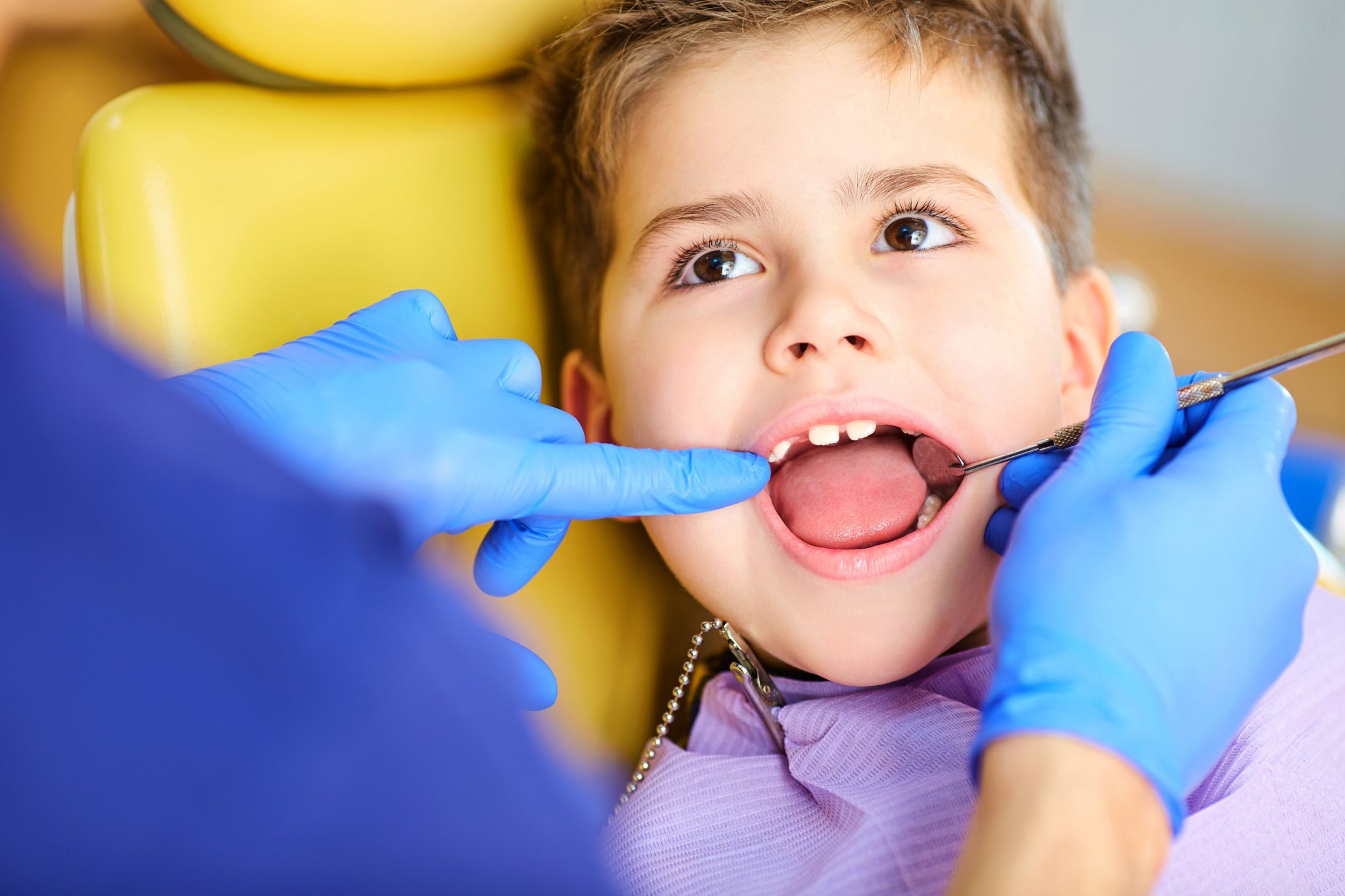
Pacifiers offer comfort and help to reduce stress in infants. Many parents wonder when it is appropriate to wean their child off the pacifier. If a pacifier is not taken away at a certain age it can cause serious issues with a child’s teeth, mouth, and jaw. At Upbeat Pediatric Dentistry, we support our patients and parents and know weaning a child from the pacifier is hard. As much as the pacifier is needed in the early stages of life, it is just as important to take it away, so your child does not develop any issues in the future.

What Issues Can a Pacifier Cause?

The pacifier helps to soothe a child, and the sucking reflex is natural when they are born. The ideal time for a child to stop using a pacifier is between the ages of two and four. If a child continues to use their pacifier beyond this age range, they may develop jaw or bite complications.

Children who have used a pacifier tend to develop an over bite, and may have issues with their teeth erupting.  Orthodontics may be needed to correct difficult issues caused by pacifier sucking. As your child gets older, breaking their habit becomes more difficult. Early intervention is important to prevent more serious issues as they grow older.

When Is the Best Time To Wean My Child Off the Pacifier?

Each situation and child are different, and we recommend you do what is best for your child. The method used can be instant or gradual, and we can help by recommending behavior modifications to assist in the process. Timing is key, and parents should consider what the child has going on at the moment while weaning them off the pacifier. Finding new ways to comfort your child through the weaning process is important and giving incentives can help. Positive reinforcement works best and always avoid negative behavior during the process.

Interested in Finding Out More Information?

If you are interested in finding out more about pacifier weaning, or to schedule an appointment for your child, contact Upbeat Pediatric Dentistry, and our friendly staff will be happy to assist you.

Can Fruit Juice Cause Tooth Decay?

Fruit Juice

Fruit juice is thought of as a healthy way to give children the vitamins they need. Juice is packed with sugar and acids that can cause damage to your child’s teeth. Teaching a child good eating and drinking habits is important, so they do not expect to have juice all of the time. Choosing water over juice is best and saving juice for special occasions can help. At Upbeat Pediatric Dentistry, we are always giving our patients advice regarding how to take care of their teeth and mouth at a young age. Our staff is trained to give recommendations on diet and what foods to avoid in order to keep your child’s teeth cavity free.

How Does Juice Damage Teeth?

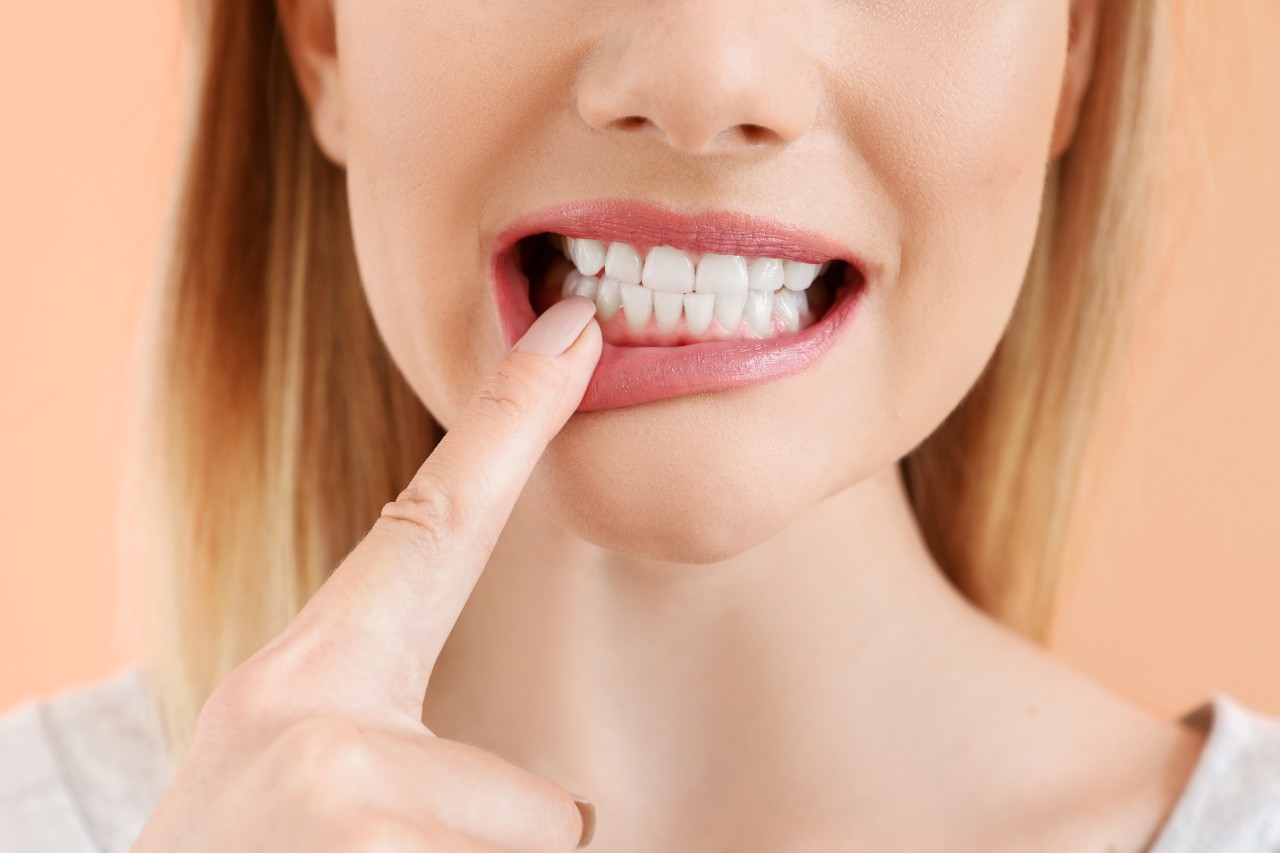
Juice contains high levels of sugar, and when your child drinks the juice the bacteria in the mouth creates an acid. This acid is what attacks the tooth enamel and can cause tooth decay and cavities. Visiting our office regularly with your child is important. Our exam process takes a look at your child’s teeth to ensure we do not see any issues with decay or any developing cavities.

Even though the sugar in juice is natural, it can still cause damage that can lead to tooth decay. In addition to the sugar, juice also contains natural acids that can wear down the enamel on our teeth. Talking to your child about making good food and drink choices can help avoid tooth decay from juice or other sugar filled foods and drinks.

What Juice Is Best?

If you choose to have juice there are differences in the brands and nutritional value. Juice cocktails tend to not be 100% juice, and can contain additional sweeteners such as high-fructose corn syrup. Mixed juices can contain added sugars, so it is important to read the labels carefully. Many fruit punch type drinks are labeled as juice, but they have no nutritional value and are packed with added sugars.

Finding 100% fruit juice is the best choice, but these can also be unhealthy and contain just as much sugar as a glass of soda. Orange and grapefruit juices tend to have lower amounts of sugar. Choosing whole fruits instead of juice is always the best choice because whole fruit provides additional nutrition such as fiber and other vitamins.

Ready To Schedule Your Appointment With Us?

If you are interested in scheduling your child’s appointment, or have a concern about tooth decay, contact Upbeat Pediatric Dentistry, and our staff will be happy to assist you.

What Can I Do at Home to Prevent Gum Disease?

prevent gum disease

Preventing inflammation around your gums starts with your at home oral hygiene routine. Gum disease or periodontitis is a gum infection that damages the soft tissue, and can destroy the bone if not treated promptly. Gum disease is a slow process and can advance in same cases before you notice there is an issue. The advancement process is typically painless, and attending your regular exams in our office is key to making sure your gums and teeth are healthy.

Daily oral hygiene at home helps to keep your teeth and mouth healthy and can prevent gum disease from developing. Brushing and flossing daily are ways to keep your mouth looking and feeling great, and also minimizes your risk for developing gum disease.

When patients visit our office we discuss your oral health, and recommend changes to your oral care routine at home if we see a need for improvement. Our highly trained staff can develop a personalized care program for you to follow at home.

At Home Oral Hygiene Recommendations To Prevent Gum Disease

  • Attend regular dental exams to remove plaque buildup and tartar, as well as to detect any signs of gum disease early.
  • Brush for two to three minutes at least twice a day, and make sure to brush along the gum line.
  • Use a toothpaste with fluoride to help prevent cavities.
  • Floss daily to remove plaque from in-between your teeth and places where your toothbrush can not reach.
  • Use a mouth rinse that can help to rinse away and reduce plaque buildup.
  • Avoid any tobacco products which can cause gum disease.
  • Follow a healthy diet and avoid foods and drinks with high levels of sugar.
  • Exercise regularly
  • Make sure to have cavities and any other issues fixed as soon as possible.

Part of our cleaning and exam process is to perform a detailed evaluation of the gums. We will discuss both the health of your teeth and gums, and recommend treatment if necessary. Your oral health is our priority, and our staff is here to help keep your teeth and gums healthy.

Looking To Make an Appointment?

If you are interested in making an appointment, or notice an issue with the health of your gums such as bleeding or irritation we encourage you to visit our office. Prevention is important, and treating symptoms early can help avoid more serious issues in the future.

To schedule your appointment please contact our office, and our friendly staff will be happy to assist you.

Should I Brush or Floss First?

brush or floss

Creating an oral hygiene routine at home is important to help maintain your oral health and keep your teeth and gums feeling great. Brushing and flossing each day is extremely important, and the order in which you do these two items is a common question. Many wonder which way gives the most benefit.

Is Brushing First Better?

Brushing your teeth at least twice a day is a key part of keeping your teeth and gums healthy. Brushing cleans your teeth and removes plaque, as well as prevents cavities from developing. Brushing is not the only thing you need to do to keep your oral hygiene in check. Flossing is another integral part of oral hygiene. The order in which you do these two items is a popular discussion.

Brushing does allow the toothpaste with fluoride to get in-between the teeth and help lift residual plaque when you floss after brushing. Studies show that flossing first is better, and is a more efficient way to keep up with your oral health. Flossing last also leaves particles in your mouth if you do not remember to rinse afterwards.

What About Flossing First?

Flossing first has many benefits, and recent studies now recommend that you should floss first before you brush. Flossing first helps to loosen that plaque buildup, as well as increase fluoride concentration between your teeth. When you brush after flossing the brushing then helps to remove those particles that are released from flossing. This helps to reduce plaque in your mouth, and lowers your risk of developing gum disease. Brushing after you floss helps the toothpaste to really do its job to protect your teeth from decay.

What About Flossing First?

Flossing first has many benefits, and recent studies now recommend that you should floss first before you brush. Flossing first helps to loosen that plaque buildup, as well as increase fluoride concentration between your teeth. When you brush after flossing the brushing then helps to remove those particles that are released from flossing. This helps to reduce plaque in your mouth, and lowers your risk of developing gum disease. Brushing after you floss helps the toothpaste to really do its job to protect your teeth from decay.

Benefits of Flossing and Brushing

  • Prevents gum disease that is caused by poor dental hygiene or not brushing and flossing properly. Routine dental cleanings in our office are important and we recommend dental cleanings at least twice a year.
  • Removes plaque that is the leading cause of gum disease. If you floss and brush your teeth regularly plaque does not have the chance to harden on your teeth.
  • Prevents decay and costly dental procedures. If you take care of your oral health you can avoid serious complications or dental procedures in the future.

Overall, you can keep your teeth and gums healthy by practicing good oral hygiene habits. Cavities and gum disease are preventable, and remembering to floss and brush each day will help keep your mouth feeling great. Visiting our office regularly for your cleaning and exam is another way to stay on top of your oral health.

During your dental exam our team will discuss any hygiene recommendations, and review how to keep up with your oral hygiene care at home. Taking care of your oral health is important, and your health is our priority.

If you are interested in finding out more about how to improve your oral hygiene routine at home, or to schedule your next dental exam, contact our office and our staff will be happy to assist you.

Why Are Babies Advised to See a Dentist?

Pediatric Dentisty

Taking your baby to the dentist seems like it may be not necessary, but taking them is actually important. Most parents wonder what the correct age is to take their baby to the dentist. The American Academy of Pediatric Dentists recommends parents seek out a dentist for their child by the age of one years old, or when they notice the first tooth erupting.

On average primary teeth erupt around six months of age. In some cases parents feel their baby does not have enough teeth to warrant a visit to the dentist. Actually, visiting a dentist at this early age provides many benefits. Ensuring baby teeth are erupting properly is important, and allows the dentist to catch any issues early on.

Children should keep their primary teeth as long as they can until they are lost naturally. There are many benefits to keeping primary teeth relating to development in children.

Benefits of Primary Teeth

  • Help with speech development in children
  • Help to chew food properly
  • Primary teeth give children confidence about their appearance and promote a healthy smile.
  • Primary teeth save space for future teeth

Teaching Children to Care for Their Teeth

Taking your child to the dentist can establish proper dental hygiene habits at a young age, and teach your child how to care for their teeth. Our team can help explain how taking care of your teeth avoids cavities and other issues in the future. Establishing a good relationship with your dentist is important, and your child will be comfortable when visiting the dentist in the future.

Part of our initial visit process for children include a tour of our office and the highest level of care. We want your child to feel comfortable and at ease when they visit our office. Our team will take a look at your child’s teeth, and create a baseline of information that can be used as your child grows.

Our team will monitor the development of your child’s teeth, and ensure all the primary teeth are erupting properly. We care about your child’s health, and we always ensure each appointment is a positive experience for everyone.

Interested in Making an Appointment?

If you are interested in making an appointment our team is here to help. We encourage parents to set up an initial exam and let us handle everything. Your child is in good hands, and we go above and beyond to provide the highest level of care.

To schedule an exam for your child, please contact our office and our staff will be happy to assist you!

How Exactly Does Fluoride Help Teeth?

Dental Cleaning

Fluoride is a natural mineral that is found in the earth and in nature. Water supplies and some foods also contain fluoride. Many community’s drinking water contains fluoride, and this helps to strengthen teeth and prevent decay. Studies have shown that people that use fluoride have less tooth decay.

How Does Fluoride Work?

Bacteria cause demineralization and this is when bacteria feeds on sugar and produces acidic saliva. This acid weakens tooth enamel. Fluoride helps to control and protect damage from demineralization. This helps keep our teeth looking and feeling healthy. Fluoride also helps to replenish the calcium that help make our teeth hard. This prevents tooth decay and tooth sensitivity.

If Fluoride Safe?

If used properly fluoride is safe and does not cause any harm. If you are using fluoride toothpaste it is important to ensure children do not swallow the toothpaste. Swallowing toothpaste may cause an issue because most toothpaste brands contain fluoride. Overall fluoride is a great way to protect your teeth from decay, and does not pose any risk to your health.

What Type of Fluoride Treatments Are Available?

There are a few different types of fluoride treatments available to patients. Topical fluoride products are applied directly to the teeth. This can be done in our office and takes only a few minutes to complete. Typically fluoride treatments are inexpensive and most insurance plans cover this treatment. The topical treatment contains a higher level of fluoride and can only be applied by a professional. Fluoride is also in our toothpaste and mouth washes. Using a toothpaste and mouthwash with fluoride can help give you the protection you need from decay that can lead to cavities.

Looking To Find Out More About Fluoride Treatment?

If you are looking to find out more information about fluoride treatments and how they can benefit you, please contact our office. Our team is here to help, and your oral health is our priority. Preventative care is a way to keep your teeth and mouth looking and feeling healthy.

We offer flexible hours, and do our best to see patients as soon as possible. To schedule your next exam contact our office, and our staff will be happy to assist you.

Why are my Child’s Teeth Not Coming In?

Pediatric Dentistry

In most children teeth erupt normally and there are no issues. On the other hand there are cases when parents may notice their child’s teeth are not erupting at a normal rate, or not at all. If you notice your child’s teeth are not erupting properly it may be time to bring them in to see their dentist.

One of the many reasons it is important to establish a relationship with your child’s dentist at an early age is so we can keep an eye on their teeth, and get in front of any issues. Knowing ahead of time your child may have an issue can help prevent further complications. There are a few common reasons why teeth may not erupt properly in children.

Space Is Limited

In many cases children do not have enough space in their mouth for permanent teeth to erupt properly. Permanent teeth are larger and wider than baby teeth, and this can cause an issue if there is not enough space available.

Impaction

Impaction is when a permanent tooth is unable to erupt on its own. Impacted teeth develop under the gums and can be caused by extra teeth, lack of space, or narrow jaws. If your child has impacted teeth we will refer you to an orthodontist for treatment. Orthodontic treatment is typically needed to help make the necessary space in the mouth. A simple procedure is done to uncover the impacted tooth under the gum, and gently pull the tooth into place.

Teeth Erupting the Wrong Way

A common issue children face is when their permanent teeth erupt in the wrong direction. This typically happens to either the upper canine teeth or the lower bicuspids. If your child’s teeth are erupting in the wrong direction you will be referred to an orthodontist to help move the teeth into the correct position.

Extra Teeth

Another common issue with tooth eruption in children is when they have too many teeth. This condition is called hyperdontia, and the extra teeth can block permanent teeth from erupting. To correct this issue we may recommend extracting the extra teeth that are causing an issue. For this condition, orthodontic treatment may be needed.

Medical Conditions

Medical conditions can affect if and how teeth erupt, as well as the development of the jaw. If development is affected by a medical condition, this can delay permanent teeth from erupting on time. Common medical conditions that may cause an issue are down’s syndrome, hypothyroidism, and rickets.

Ready To Visit Your Child’s Dentist?

If you feel your child has an issue with their teeth erupting please do not hesitate to schedule an appointment in our office. Our team is here to help, and the sooner we can take a look at your child’s teeth the quicker we can devise a treatment plan.

Your child’s health is our priority, and our team always strives to provide the very best care for all of our patients.

If you have a concern about your child’s teeth, and you would like to schedule an appointment please contact our office, and our friendly staff will be happy to assist you.
Do Pediatric Dentists Perform Surgery?

Pediatric Dentisty

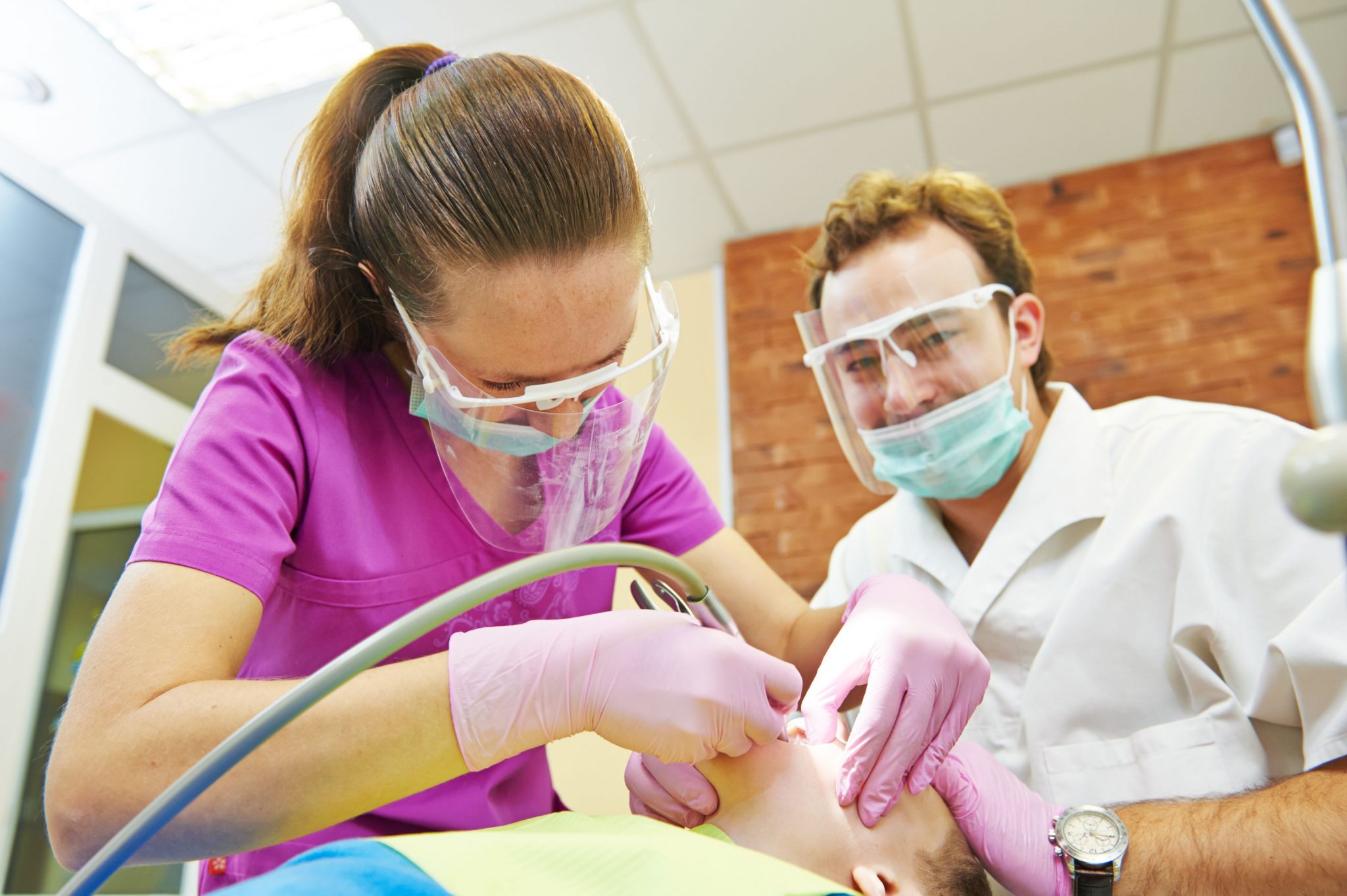
A Pediatric dentist treats children from birth through adolescence. Pediatric dentists have skills to interact with infants and children, and this makes visits comfortable and easy for both the parent and child. Finding that perfect pediatric dentist is important, and helps to set the tone for good oral hygiene.

Pediatric dentists provide many procedures and treatments to help keep your child’s teeth and mouth developing properly and feeling great.

Common Pediatric Dentistry Services

  • Cleanings and exams
  • Fluoride treatments
  • Dental sealants
  • Deep cleaning
  • Fitting oral appliances such as mouthguards
  • Surgical procedures including tooth extractions, tooth implants, gum surgery and tissue grafts
  • Treatments to restore damaged teeth such as fillings, crowns, and root canals

What Surgeries Does a Pediatric Dentist Perform?

Pediatric dentists perform surgeries that include implants, tooth extractions, gum surgery, and tissue grafts. If your child has been recommended for oral surgery, and the surgery required is not a common surgery done by your pediatric dentist, they will refer you to an oral surgeon. Typically if the surgery involves impacted teeth higher in the gum line, or other areas that are not easy to reach an oral surgeon is required.

Pediatric dentists must complete three or more years of undergraduate education, as well as graduate with either a Doctor of Dental Surgery (DDS) or Doctor of Dental Medicine (DMD). In addition, pediatric dentists must complete an additional 2-3 years of specialized training specifically for diagnosing and treating children.

Pediatric dentists should be seen when an infant gets his or her first tooth or no later than one year old. Attending regular exams and cleanings every six months sets the tone early on, and teaches children at a young age how to care for their teeth. How often your child needs to be seen depends on their dental needs and level of plaque buildup.

Practicing good oral hygiene habits at home and eating a healthy diet can help teach your child how to take great care of their teeth and mouth. Establishing a good relationship with your dentist is important, and gives your dental team the opportunity to monitor your child’s development and get in front of any issues.

Interested in Scheduling Your Child’s Exam?

If you are interested in scheduling your child’s dental exam and cleaning our team is here to help. We provide the highest level of service, and always make sure all of our patients are comfortable and relaxed. We want each appointment to be an exceptional one!

To schedule an appointment please contact our office, and our friendly staff will be happy to assist you!

Are There any Differences Between Mouth Washes?

oral health

Mouthwash is used to help rinse away bacteria or food particles after you brush and floss each day. Using mouthwash is an additional way to help protect your teeth and gums. Knowing the differences between mouthwashes can help you choose the right one to incorporate into your oral hygiene routine.

What Are The Different Types of Mouthwashes Available?

Mouthwash With Fluoride

Fluoride mouthwash contain sodium fluoride, and this helps to protect your teeth from decay and cavities. Fluoride is also found in toothpaste and is added to our tap water. Only using the required amount each day is important because too much fluoride can be harmful to your health. Reading the labels can help to ensure you are only using the appropriate amount that is recommended daily.

Antiseptic Mouthwash

Antiseptic mouthwash is the most common mouthwash used by most patients. This type of mouthwash contains alcohol and can help to stop bacteria in its tracks. Using an antiseptic mouthwash can help fight bad breath, and prevent infections. Patients must be careful using this type of mouthwash. Overuse can lead to stains or discoloration on your teeth. Following the recommended daily guidelines is important to keep your teeth and mouth healthy.

Cosmetic Mouthwash

This type of mouthwash is used to only freshen your breath. Cosmetic mouthwash does not do anything to help with your oral health. Using this type of mouthwash can help rinse food particles away, and is a temporary solution for bad breath.

Natural Mouthwash

Natural mouthwash is a common type of mouthwash that helps keep bacteria away and freshens your breath, but contains only natural ingredients. Natural mouthwash brands do not contain alcohol, and the ingredients are safer compared to other types of mouthwashes available.

During your routine cleaning it is important to discuss what products you are using at home including your mouthwash. Our team is available to access your dental health, and recommend the best mouthwash for you to use at home.

Interested in Finding Out More?

During your routine cleaning it is important to discuss what products you are using at home including your mouthwash. Our team is available to access your dental health, and recommend the best mouthwash for you to use at home.

If you are interested in finding out more about what mouthwash may be best for you, or to schedule your next exam, contact our office and our friendly staff will be happy to assist you.
How Can I Reduce My Costs for Dental Care?

family dentistry

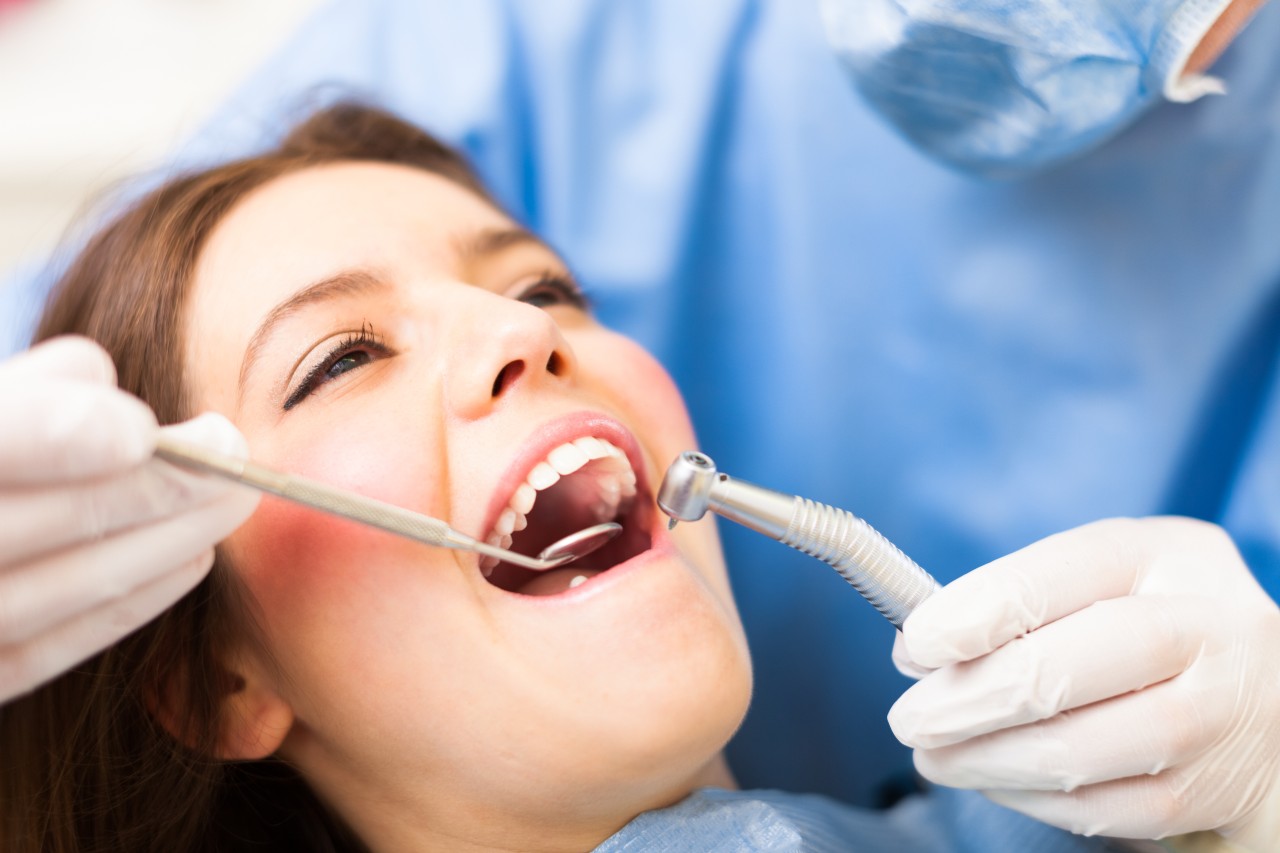
Dental care can be costly, and simple procedures can even run up your bill. Caring for your teeth is necessary to keep your oral and general health in check. Many people have no dental benefits at all, or if they retire their benefits are lost.

Skipping dental care is not an option, and can lead to other more serious health issues such as diabetes, or heart conditions. There are ways you can reduce your dental care costs, and help pay for those costly procedures that are necessary to keep your teeth and gums healthy.

Ask Your Dentist if They Offer an In-House Membership Plan

Many dental practices today offer their own dental membership for patients. These plans act like an insurance plan, and give patients discounts on procedures that are done in their office. If a patient does not have insurance it is wise to inquire about an in-house plan to help keep costs down.

Sign Up for a Dental Plan Through Your Employer

Many companies offer both medical and dental insurance plans. Most plans pay for at least half of the cost, and preventative services are typically covered 100 percent. Routine procedures are usually covered around 80 percent, and larger more involved procedures such as crowns are usually covered at 50 percent. Using in-network providers can help you save money, and allow you to get the dental work you need.

Dental Savings Plan

Dental savings plans are available to participants who pay a fee to join. The fee is typically annual, and allows you to choose from a network of dentists that offer discounts for members. Dental savings plans allow patients to get the work done that they need at a discounted price without insurance.

Affordable Care Act

Patients can apply for health insurance through the Affordable Care Act. Logging on to their website can let you know if you qualify to purchase dental coverage.

Dental HMO Plan

A dental HMO plan may be available in your state. Typically cleanings and exams twice a year are covered, and procedures are at a discount. Many dentists participate and accept HMO plans, and this is a good way to help save on dental care.

Veterans Benefits

If you are a veteran you qualify to receive insurance at a reduced rate. Disabled veterans are also eligible for free dental care through the Department of Veterans Affairs.

Do Your Research

If you are required to have a costly procedure, research the average price of that procedure. Ask your dentist for a discount, and most likely they will work with you, and help find a price and payment plan that fits your needs.

Create an Emergency Dental Fund

Setting aside money each month for dental care can help cover procedures or emergencies that are unpredictable.  Knowing you have a savings account will put you at ease if an emergency arises and you need dental care.

Looking for an Affordable Dentist Near You?

Taking care of your oral health is a great way to prevent costly dental procedures. Brushing and flossing each day, and staying away from foods and drinks that contain sugar can help keep your teeth and gums healthy. Visiting our office regularly for exams and cleanings is extremely important to maintain your oral health. Regular visits allow our team to get in front of issues before they become urgent, and we can help you keep your teeth and mouth looking and feeling great.

We care about our patients, and our team is here to help take care of your oral health. Ask our team if you have questions on coverage or payment plans, and we will work with you to ensure you can receive the very best care.

To find out more about dental programs we offer, or to schedule your next dental exam, contact our office and our friendly staff will be happy to assist you.