
When to Wean Your Toddler Off Their Pacifier

As parents, we always want to do what’s best for our children, including when it comes to their oral health. 

Pacifiers can be a helpful tool in soothing infants and young toddlers, but when is the right time to wean your child off of them?

At Upbeat Pediatric Dentistry, we understand that pacifiers can provide a sense of security and comfort for young children, but we also know that extended use can lead to dental problems. 

Here’s what you need to know about weaning your child off their pacifier:

Most pediatricians recommend weaning your child off their pacifier by the age of 2. At this point, prolonged pacifier use can interfere with speech development and cause dental problems such as an open bite, crossbite, or protruding front teeth.

Continued pacifier use beyond the age of 2 can begin to negatively impact a child’s dental health, leading to misalignment of the teeth and even changes to the shape of the roof of the mouth. Long-term pacifier use can also impact speech development, leading to difficulty with pronunciation and articulation.

What are the signs that it’s time to wean?

If your child is older than 2 and still using a pacifier, it may be time to start weaning. Here are some signs to look for:

  • Your child only falls asleep with a pacifier in their mouth;
  • They become upset when the pacifier is taken away;
  • Your child is using the pacifier for longer periods of time.

How to wean your child off their pacifier

If you’re struggling with weaning your child off their pacifier, there are a few strategies that may help. Gradual reduction of pacifier use, such as only using it for naps and bedtime, can be a helpful approach. You can also try to replace the pacifier with a special toy or blanket that your child can use for comfort. 

Here are some tips to help you:

  • Limit pacifier use to certain times of day: Begin by limiting pacifier use to nap time and bedtime only;
  • Shorten pacifier use: Gradually decrease the amount of time your child uses their pacifier each day;
  • Offer other comfort tools: Introduce other comfort items such as a stuffed animal or blanket to replace the pacifier;
  • Be patient and persistent: Weaning your child off their pacifier can take time and patience. Be consistent with your approach and offer encouragement along the way.

What are the consequences to weaning after the recommended age?

If you take too long to wean your child off their pacifier, they may develop oral health problems such as misaligned teeth, speech delays, and even changes in the shape of their palate. 

Long-term pacifier use can also affect your child’s jaw and facial structure, causing an overbite or underbite. In addition to the physical effects, prolonged pacifier use can also lead to emotional dependence and difficulty in self-soothing. This can lead to sleep disturbances and behavioral issues. 

It’s important to remember that weaning off the pacifier can be challenging for both you and your child, but with patience, consistency, and encouragement, you can help your child make the transition successfully.

In need of further guidance on this subject?

If you have any concerns about your child’s pacifier use or dental health, don’t hesitate to schedule an appointment at Upbeat Pediatric Dentistry! Our team of experienced professionals is here to support you and your child’s oral health needs.

Remember, by weaning your child off their pacifier at the right time, you can help promote healthy dental and speech development.

What to do when your child’s permanent tooth is knocked out

Accidents happen, and sometimes children can experience trauma to their teeth that results in a knocked-out tooth. This can be a scary experience for both the child and the parent, but it’s important to know what steps to take in order to ensure the best possible outcome for the tooth and your child’s oral health. In this blog post, we’ll guide you step by step on what to do if your child’s permanent tooth is knocked out.

Step 1: Stay calm and act quickly

If your child’s permanent tooth is knocked out, it’s important to stay calm and act quickly. Time is of the essence when it comes to saving a knocked-out tooth. The first hour after the tooth has been knocked out is known as the “golden hour,” during which the tooth has the best chance of being saved and successfully re-implanted.

Step 2: Handle the tooth with care

When handling the knocked-out tooth, it’s important to be gentle and avoid touching the root of the tooth. Pick the tooth up by the crown (the top part of the tooth that is visible when it’s in the mouth) and avoid touching the root or any attached tissue.

Step 3: Rinse the tooth with milk or saline solution

If possible, rinse the tooth with milk or a saline solution. This can help to remove any debris or dirt from the tooth and keep it moist, which is important for successful re-implantation.

Step 4: See a dentist as soon as possible

It’s important to see a dentist as soon as possible. The dentist can assess the tooth and ensure that it is properly repositioned and stabilized. They may also prescribe antibiotics to prevent infection and recommend a follow-up visit to monitor the tooth’s progress.

Risks of delaying treatment for a knocked-out tooth

Not seeking a dentist immediately after a tooth has been knocked out can lead to several dangers and potential complications. Firstly, the longer the tooth is out of its socket, the less chance there is of saving it. The root of the tooth begins to die within 15 minutes of being knocked out, and after an hour, the chances of saving the tooth decrease significantly.

Additionally, not seeking prompt dental care can lead to infection, which can spread to other parts of the body and cause serious health problems. The mouth is home to many bacteria, and an exposed tooth root can become a breeding ground for harmful microorganisms.

Delaying treatment can also lead to issues with the surrounding teeth and gums. If a tooth is missing, nearby teeth can shift out of place, causing problems with alignment and bite. This can lead to further dental issues down the line, including jaw pain and difficulty chewing.

In some cases, a knocked-out tooth can also cause damage to the nerves and blood vessels in the surrounding area. This can lead to long-term complications, including chronic pain and numbness.

It’s crucial to seek immediate dental care after a permanent tooth has been knocked out to increase the chances of saving the tooth and preventing further damage and complications.

What will the dentist do?

When you arrive at the dentist’s office, they will examine the tooth and the surrounding area to determine the best course of action. In some cases, the tooth may be able to be reimplanted, which involves placing the tooth back into the socket and stabilizing it with a splint for several weeks. Other times, the tooth may need to be replaced with a dental implant or bridge.

In need of an emergency appointment?

At Upbeat Pediatric Dentistry, we understand that dental emergencies can be stressful for parents and children alike. That’s why we offer emergency dentistry services to help you and your child through any dental trauma or emergency. If your child’s permanent  tooth has been knocked out, don’t hesitate to call our office and seek professional support. We’re here to help your child maintain a healthy, happy smile.

Tongue Tie and Breastfeeding: Tips for Success

Breastfeeding can be a challenging experience for many new mothers, and when tongue tie is present, it can make things even more difficult. Tongue tie is a condition where the frenulum, a piece of tissue that connects the tongue to the bottom of the mouth, is shorter and tighter than normal, making it difficult for the baby to breastfeed effectively. Fortunately, with the right tips and techniques, it’s possible to overcome these challenges and have a successful breastfeeding experience.

How does Tongue Tie affect breastfeeding?

Tongue tie can affect both the mother and the baby when it comes to breastfeeding. For the baby, tongue tie can make it difficult to latch onto the breast properly, which can result in poor milk transfer, insufficient milk supply, and inadequate weight gain. The baby may also experience excessive fussiness, colic, or reflux as a result of swallowing air while trying to nurse. This can be frustrating for both the baby and the parents, and can make breastfeeding a stressful experience.

For the mother, tongue tie can cause nipple pain, damage, and even infection due to poor latch and inadequate milk transfer. This can lead to difficulties in establishing and maintaining breastfeeding, which can result in feelings of frustration, guilt, and inadequacy. Mothers may also experience engorgement, mastitis, and reduced milk supply as a result of tongue tie, further adding to the challenges of breastfeeding.

How do I know if my baby has Tongue Tie?

There are several signs you can look for during breastfeeding to determine if your baby has tongue tie. These signs can include:

  • Difficulty latching: If the baby is having difficulty latching onto the breast, it could be a sign of tongue tie. The baby may struggle to open their mouth wide enough to latch properly, or may have difficulty maintaining a proper latch.
  • Clicking sounds: If the baby is making clicking sounds while nursing, it may be a sign of tongue tie. This can occur when the baby is unable to maintain a proper latch due to limited tongue movement.
  • Short feedings: If the baby is constantly feeding for short periods of time, it may be a sign of tongue tie. The baby may tire easily due to inefficient milk transfer, leading to shorter feedings.
  • Nipple pain or damage: If the mother is experiencing nipple pain or damage, it may be a sign of tongue tie. The baby may be unable to latch properly, leading to improper milk transfer and nipple trauma.
  • Inadequate weight gain: If the baby is not gaining weight properly, it could be a sign of tongue tie. Inadequate milk transfer can lead to poor weight gain, which can be concerning for parents.

What do I do if I suspect my baby has Tongue Tie?

If you suspect your baby may have tongue tie, it’s important to seek professional support. A lactation consultant or pediatric dentist can assess the baby’s mouth and tongue movement to determine if tongue tie is present. Early diagnosis and treatment can help to improve breastfeeding success and avoid further complications. 

It’s important for parents to seek professional support if they suspect tongue tie may be causing difficulties with breastfeeding. With the right guidance and treatment, it’s possible to overcome these challenges and have a successful breastfeeding experience.

Looking for a Pediatric Dentist that treats Tongue Tie?

At Upbeat Pediatric Dentistry, we understand how challenging tongue tie can be for breastfeeding mothers and their babies. That’s why we offer tongue tie release procedures using the latest laser technology. Our team of experienced pediatric dentists is committed to providing compassionate and personalized care to ensure the best outcomes for you and your baby.
If you’re struggling with breastfeeding due to tongue tie, we encourage you to visit our Tongue Tie Institute website and learn more about our tongue tie release procedures. Don’t let tongue tie stand in the way of your breastfeeding success – contact Upbeat Pediatric Dentistry today.

Dentistry for Special Needs Patients: Special Care

Going to the dentist can be a stressful experience for anyone, but for children with special needs, it can be even more overwhelming. At Upbeat Pediatric Dentistry, we understand that every child is unique and requires individualized care, especially those with special needs. We are committed to providing a safe, comfortable, and compassionate environment for all our patients, including those with special needs.

At Upbeat Pediatric Dentistry, we provide specialized dental care services for children with a wide range of special needs, including autism spectrum disorder, Down syndrome, cerebral palsy, ADHD, sensory processing disorder, among other intellectual disabilities. Our team of dental professionals has extensive experience in treating children with special needs and is committed to providing the highest quality of care to all our patients.

What Makes Your Child A Candidate For Special Needs Dentistry?

If your child has a disability of any kind that is preventing them from sitting still or being able to receive care, we welcome you to come into our office. Special needs dentistry allows these children to finally receive the care that they want and need. 

What are the key aspects dentists should pay attention to when caring for Special Needs patients?

  1. Communication and Behavior Management: Children with special needs may have difficulty communicating and understanding what is happening during their dental appointment. At Upbeat Pediatric Dentistry, we use a variety of communication techniques and behavior management strategies to help patients feel at ease and understand what’s happening during the appointment. Our team is trained in the use of nonverbal communication, such as visual schedules and picture boards, to help patients understand what to expect during their appointment.
  1. Sensory-Friendly Environment: Special needs patients may be hypersensitive to sound, light, or touch, which can make a dental appointment a stressful experience. At Upbeat Pediatric Dentistry, we have designed our office to be kid friendly, so we have a lot of toys and a TV at their disposal if they need some distraction to make them feel comfortable during the appointment.
  1. Customized Treatment Plans: Every special needs patient is unique, and they require individualized care that takes into consideration their medical history, oral health needs, and individual preferences. At Upbeat Pediatric Dentistry, we develop a customized treatment plan for each patient, taking into consideration their unique needs and preferences. Our goal is to provide the best possible care while minimizing stress and discomfort.
  1. Sedation and Anesthesia: For some special needs patients, sedation or anesthesia may be necessary to complete dental treatment safely and comfortably. We offer different sedation options, including nitrous oxide, oral sedation, and general anesthesia, to meet each child’s individual needs. Our team of dental professionals is trained to administer and monitor sedation and anesthesia safely and effectively.
  1. Coordinated Care: Special needs patients may require coordinated care with other medical professionals to ensure that their dental care aligns with their overall health goals. At Upbeat Pediatric Dentistry, we work closely with families, caregivers, and medical professionals to provide coordinated and comprehensive care to our patients.

Looking for a Pediatric Dentist That Treats Special Needs Patients?

At Upbeat Pediatric Dentistry, we believe that every child deserves access to quality dental care, regardless of their abilities or disabilities. We are committed to providing a safe, compassionate, and welcoming environment for all our patients, including those with special needs. We work closely with families, caregivers, and medical professionals to provide the best possible care for each child. If you have a child with special needs, contact Upbeat Pediatric Dentistry, and our friendly staff will be happy to explain more about our specialized dental care services.

How Long Does a Dental Cleaning Generally Take?

dental cleaning

Taking care of our teeth is important and can help avoid problems or unnecessary visits to the dentist’s office later in life. We recommend patients visit our office for their cleaning and exam at least twice a year. These appointments are crucial and can help maintain your oral health and detect issues before they become serious. Bacteria and plaque build-up over time and your toothbrush at home can only remove so much. Dental cleanings are easy and the typical dental cleaning and exam only take approximately 30-45 minutes. This depends on the condition of your teeth and if any problems are identified.

At Upbeat Pediatric Dentistry prevention is extremely important. We help our patients review their oral hygiene routine at home and recommend changes to help keep their teeth and gums healthy. Many patients avoid visiting the dentist due to anxiety or fear. At Upbeat Pediatric Dentistry we create a calm and relaxing experience and can help you get the dental care you need. Our doctors have years of experience and love to help patients achieve the perfect smile.

What Can I Expect During My Appointment?

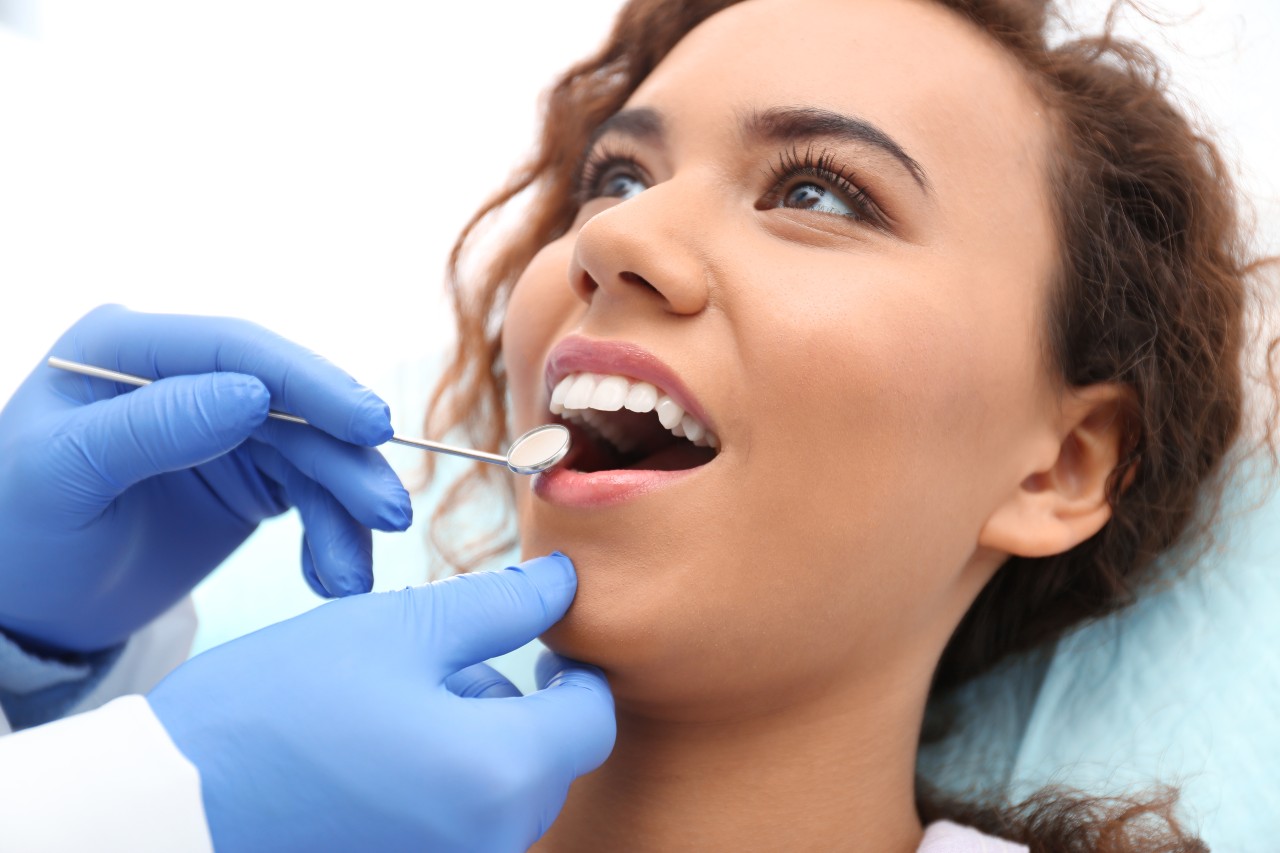
When you visit our office, we create a calm and welcoming environment. Our treatment rooms are updated with the latest technology and equipment. During the visit, we thoroughly clean each patient’s teeth using special dental tools to remove any plaque or tarter. Our team will examine the condition of both your teeth and gums to ensure everything looks healthy. We take x-rays and create a customized treatment plan for each patient. Our team will perform an oral cancer screening by checking your mouth, throat, neck, and tongue for any areas of concern. Our doctor will meet with each patient to discuss any areas of concern and follow-up visits.

Why Are Dental Cleanings and Exams Important?

Getting comfortable visiting the dentist and attending your regular cleaning and exam appointments can help set the stage for the future. Dental exams allow our doctors to get in front of any issues early on, and this can help prevent serious issues from developing in the future. During your exam, we can detect broken fillings, cavities, or other oral concerns. Our team can remove plaque and tartar that brushing at home cannot reach. We recommend patients brush and floss daily at home to help keep their teeth and gums looking and feeling great. If you ever notice any pain or discomfort, we encourage you to contact our office right away, and we will ensure you are seen as soon as possible.

Are You Due for Your Regular Dental Cleaning and Exam?

If you are ready to schedule your dental cleaning and exam, we encourage you to contact us. Let our team help you care for your teeth and keep your smile looking its best. We provide exceptional service and quality dental care you can trust.

To schedule your appointment and join our dental family, contact Upbeat Pediatric Dentistry, and our staff will be happy to assist you.

Do Kids Need Dental Crowns?

dental crowns

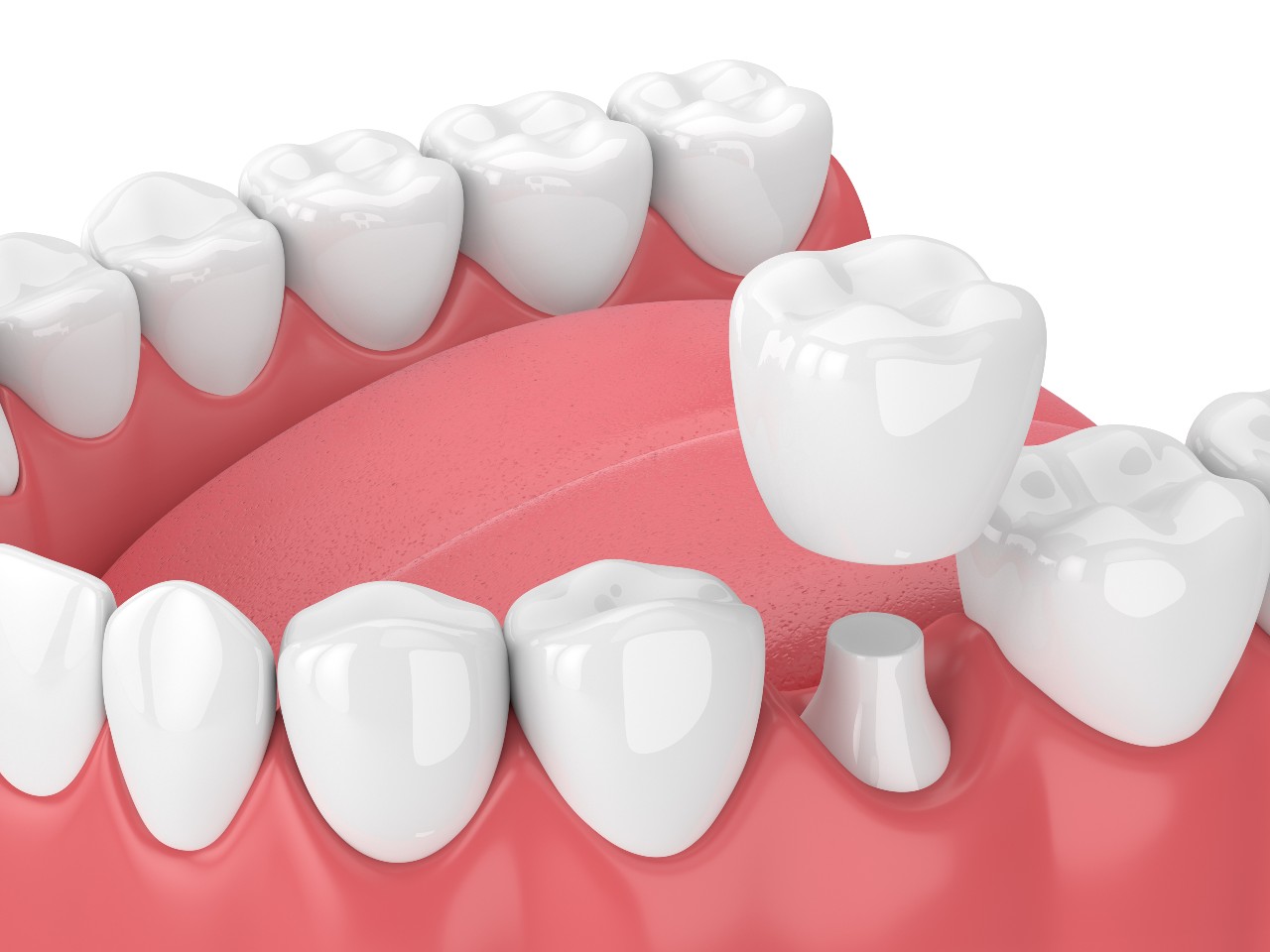
If your child is prone to cavities, you may wonder if there is anything dentists can do to save their teeth. Cavities are very common in children, and many children are prone to cavities while others are not. If a child has a small cavity, we may choose to just monitor the tooth, or recommend a dental filling. If the tooth has severe decay, a crown may be recommended in order to save the tooth. Dental crowns can protect a severely damaged or decayed tooth, and preserve the tooth underneath.

Why Would My Child Need a Dental Crown?

Primary teeth are very important in a child’s development. They help with growth and development, speech, and eating. It is important to try and keep a child’s primary teeth for as long as you can to protect and maintain their oral health. Primary teeth serve as placeholders for adult teeth. If a child does not have their primary teeth, this can cause orthodontic issues. The adult teeth may not erupt properly or will erupt in the wrong direction. If your child has a cavity, placing a crown on the tooth can leave the primary tooth intact, but protect the tooth from further damage.

How Does a Crown Procedure Work?

Crowns can be placed in one dental visit making this ideal for children. During the procedure, the primary tooth is cleaned and prepared. We use local anesthesia along with Nitrous oxide or laughing gas to keep your child calm and comfortable. Once the tooth is prepped and ready, the crown is gently affixed on top of the tooth. Recovery is minimal, and we recommend waiting a few hours after the procedure to eat or drink. This allows the numb feeling to wear off. Your child’s bite may feel odd, but after a few days, they will adjust to the new crown.

Dental crowns are very durable and should last until the primary tooth is lost. Practicing good oral hygiene habits at home can help keep your crown feeling and looking great. We encourage regular visits to our office to give our doctors the ability to monitor the crown and check for additional decay. Dental cleanings and exams help to keep track of a child’s oral development and can help address cavities or other concerns as your child grows.

Ready To Find Out More About Dental Crowns?

At Upbeat Pediatric Dentistry, your child’s health is our priority. Our doctors have years of experience in pediatric dentistry and love to work with children. We create a calm and relaxing environment and always ensure your child has a positive experience. Let our team at Upbeat Pediatric Dentistry provide quality dental care you can trust.

If you have concerns about your child’s teeth, or they are due for their exam and cleaning, contact Upbeat Pediatric Dentistry, and our friendly staff will be happy to assist you.

Why Does My 2 Year Old Grind His Teeth?

grind teeth

Teeth grinding is also known as bruxism and is very common in children. Teeth grinding involves pressing down on both the upper and lower jaw, and moving the mouth side to side grinding the teeth together. There are a few reasons why children may do this and, in many cases, children grind their teeth during sleep and they don’t even know it.

At Upbeat Pediatric Dentistry, our doctors are available to help parents address issues such as teeth grinding. Our team can give you advice on how to help your child stop grinding their teeth, and answer any questions or concerns you may have.

What Causes Teeth Grinding in Children?

Many children have sleep-related bruxism, and their jaws contract during sleep, which causes teeth to grind. Some parents can hear their child grinding their teeth and their child has no idea they are doing it. The severity of teeth grinding differs between children, and this can cause damage to their teeth. Prolonged grinding can wear down the teeth and this may cause issues in the future.

The good news is most children who grind their teeth grow out of it by the age of six. There are cases when children continue to grind their teeth through adulthood. Teeth grinding can also be caused by stress, pain, or because the teeth are misaligned. Grinding your teeth is not dangerous and most likely will disappear as children get older. If you notice your child’s teeth are damaged as a result of teeth grinding, we encourage you to be seen in our office.

When Should I Get My Child Help?

Teeth grinding is not serious and usually does not require treatment. In rare cases, teeth grinding may be caused by another condition that may require treatment.  If your child experiences any of the following symptoms, we recommend you contact our practice right away.

  • Signs of damage or trauma to the teeth or gums.
  • Complains of headaches.
  • Your child is in pain when they wake up.
  • Tooth sensitivity to hot or cold.

Interested in Finding Out More About Teeth Grinding in Children?

If you are interested in finding out more, or your child is due for their exam and cleaning, contact Upbeat Pediatric Dentistry. We provide the highest level of service, and always ensure each child has a positive experience. When a child visits our office, we want them to feel comfortable and relaxed. We provide quality care you can trust, and always have your child’s best interest in mind.

To schedule an appointment with us, contact Upbeat Pediatric Dentistry, and our staff will be happy to help.

What Age to Stop Pacifier?

pacifier weaning

Pacifiers are used by many infants and children, and they offer comfort and reduce stress. Pacifiers are great when children are young, but many parents wonder when it is appropriate to wean their child off of the pacifier. Using a pacifier can cause issues with a child’s mouth, jaw, and teeth if it is used too long.

At Upbeat Pediatric Dentistry we work with our patients and parents to help give you tips and tricks to help scale back on pacifier use, and eventually stop using it completely. We understand how important pacifier use is for infants and toddlers, but is also very important to take the pacifier away to prevent issues from developing in the future.

What Are Tips To Help My Child Stop Using a Pacifier?

Each child is different and what you do for one child may not work for another. We recommend parents do what is best for their child, and we help parents by recommending behavior modifications to help with the process. Finding the perfect time is important, and parents should look at what is going on in the child’s life while weaning them off of the pacifier. Getting creative can help, and parents need to find new ways to comfort their child. Providing your child with incentives is important, and always using positive reinforcement to let them know they are doing great will make the process easier.

What Issues Can a Pacifier Cause?

A pacifier provides soothing comfort to a child, and when a child is born the sucking reflex is natural. The perfect time for a child to stop using a pacifier is between the ages of two and four. If a child continues to use a pacifier beyond this age range their jaw or bite could be compromised.

Pacifiers can cause children to develop an over bite, or affect how their teeth erupt in the mouth. Orthodontic treatment is common for children who have used a pacifier. Weaning your child off of a pacifier should be done as early as possible because as the child grows older, breaking the habit will become more difficult.

Interested in Finding Out More?

If you would like to schedule an appointment for your child, or you would like to find out more about the benefits of weaning a child off of the pacifier, contact Upbeat Pediatric Dentistry. We provide the very best care, and our practice is equipped with the latest technology. Learning about good oral hygiene habits at an early age can set the stage for the future, and help your child develop good habits.

To schedule an appointment contact Upbeat Pediatric Dentistry and our friendly staff will be happy to help you.

Can a Dry Mouth Cause Cavities?

dry mouth

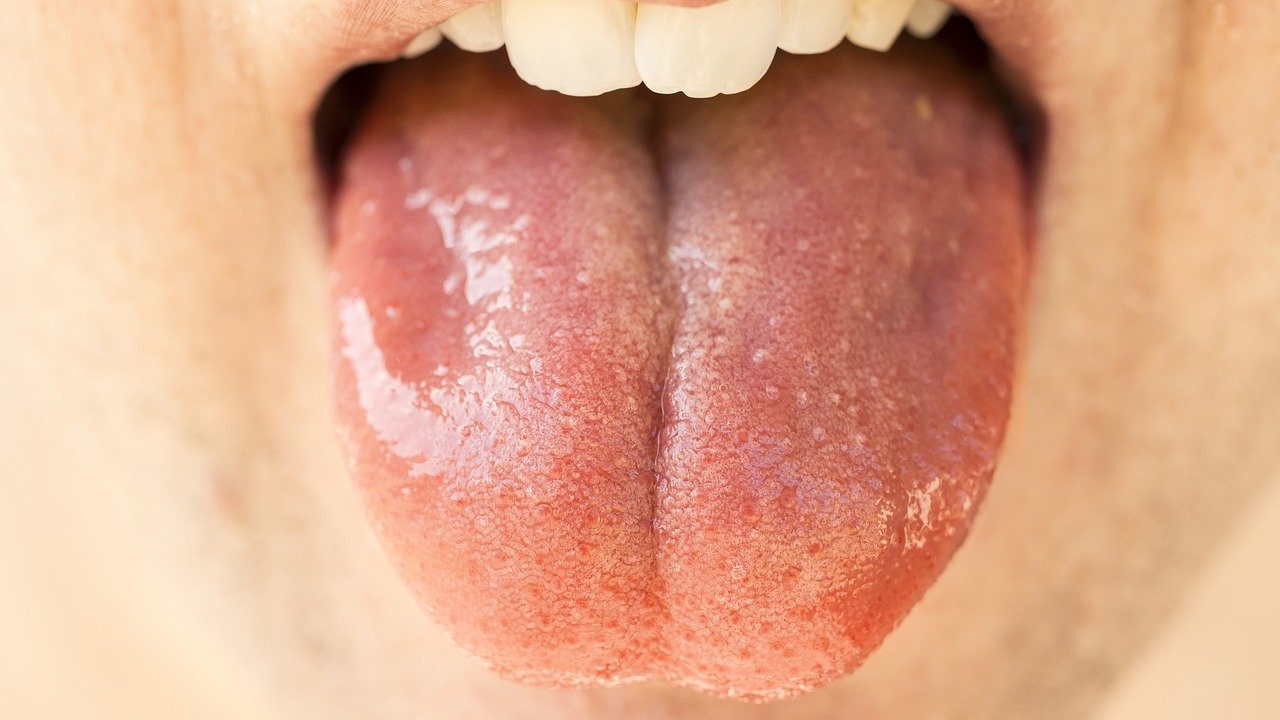
Dry mouth is also known as xerostomia, and this happens when the salivary glands do not produce enough saliva in the mouth. In some cases, dry mouth is temporary, and can be caused by dehydration. In other cases, dry mouth is a chronic problem, and many struggle with this issue. Dry mouth can be caused by medical conditions such as diabetes, or can be caused by an infected salivary gland.

When we do not have enough saliva production this can cause oral health issues. Saliva plays an important role in our oral health, and helps to protect our teeth and gums from acids or erosion. The saliva washes away bacteria or food, and keeps our teeth and mouth healthy.

What Issues Can Dry Mouth Cause?

Dry mouth can cause many issues including gum disease, tooth decay, staining, and erosion of enamel. When bacteria are not washed away, and plaque and tartar collect, this can cause gum disease, and in turn this increases the risk of tooth decay and cavities. If not treated gum disease can cause tooth deterioration, or even tooth loss.

When your saliva production is low the bacteria and acids stay on your teeth longer, and this can lead to tooth decay or enamel erosion. If the acid and plaque levels are high, your teeth can become discolored or stained. It is always important to attend your regular dental exams and cleaning appointments to ensure your teeth and mouth are healthy, and do not have any decay.

How Can I Treat Dry Mouth?

The good news is there are ways to treat dry mouth and restore the health of your teeth and gums. Depending on the level of damage will determine what treatment is required. Restoration options include fillings, crowns, or gum treatments.

Tips To Prevent Dry Mouth

  • Stay hydrated and drink plenty of water
  • Use an over-the-counter saliva treatment or substitute
  • Use a humidifier while sleeping to increase moisture in the air
  • Chew sugar-free gum to help saliva production
  • Stay on top of your oral health routine, and brush and floss daily to prevent plaque and bacteria buildup

Ready To Find Out More?

If you are suffering from dry mouth, and have concerns about your oral health, we encourage you to contact Upbeat Pediatric Dentistry. Scheduling a consultation with our team is the first step towards healthy teeth and gums. Our doctors will perform a thorough exam, and provide treatment recommendations that work for you. Dry mouth can lead to serious issues, and should always be addressed right away.

To schedule your appointment, please contact Upbeat Pediatric Dentistry, and our friendly staff will be happy to assist you.

Is it Worth Buying an Electric Toothbrush?

electric toothbrush

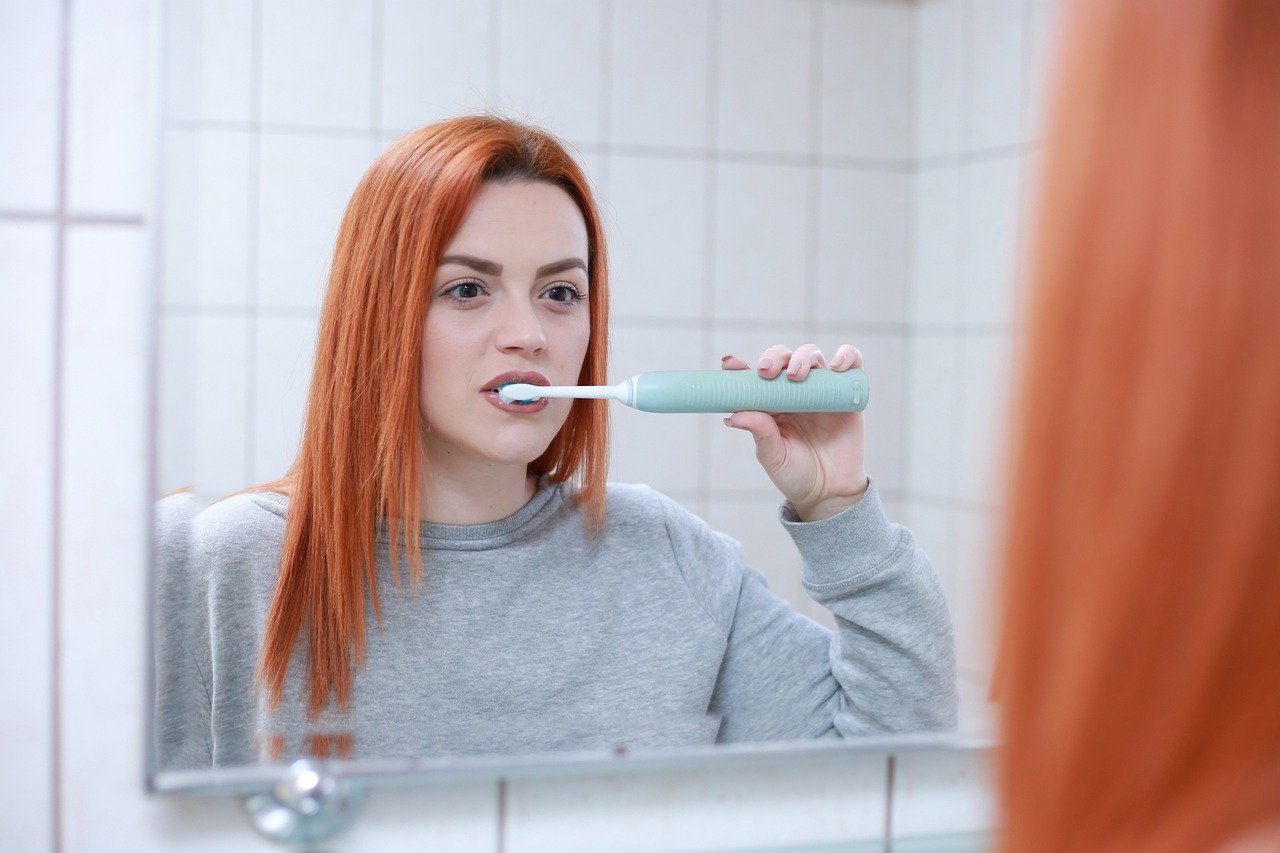
Your toothbrush is an important part of your daily oral care routine. Choosing the right toothbrush can help you keep your teeth and gums healthy. Today, there are many options available, and electric toothbrushes are very popular. Both manual and electric toothbrushes are made to remove plaque, bacteria, and prevent cavities. Knowing the benefits of an electric toothbrush can help you decide if they are right for you.

What Are the Benefits of an Electric Tooth Brush?

Power

An electric toothbrush is battery powered and does not require you to manually brush for at least two minutes. They do the work for you, and can really reach areas that a manual brush cannot. Some models even include a timer so you know exactly how long to brush. Electric toothbrushes can cover areas quicker and easier compared to a manual brush.

Effort

Less effort is required with an electric toothbrush. Electric toothbrushes clear away bacteria faster and easier compared to a manual tooth brush.

Plaque and Bacteria

Electric toothbrushes can remove bacteria and plaque easier and faster compared to a manual toothbrush. This makes brushing easier, and studies have found that those that use an electric toothbrush have less plaque and bacteria buildup over time. The bristles of an electric toothbrush gently remove plaque and bacteria without wearing down your gums or enamel.

Easy To Use

Electric toothbrushes are really easy to use, and can help people who have a hard time brushing or moving their hands. When brushing you simply move the brush from tooth to tooth, and this makes the process quick and efficient without having to manually brush each tooth.

Help Children Keep Good Oral Hygiene Habits

Electric toothbrushes also help children keep their teeth clean and free of plaque. There are electric brushes that are smaller and designed specifically for children. They make sounds, and come with a timer to make brushing fun and easy.

Is an Electric Toothbrush Right for Me?

Electric toothbrushes are a great tool that help to remove bacteria and plaque from your teeth. They are a great alternative to manual toothbrushes, and can make your oral care routine easier. Electric toothbrushes do cost a bit more, but many people say they are worth the investment. Whatever brush you choose, it is always important to brush and floss daily to keep your teeth and mouth looking and feeling great.

Interested in Finding Out More?

If you are interested in finding out if an electric toothbrush is right for you, contact Upbeat Pediatric Dentistry. Our staff is happy to discuss the benefits of an electric toothbrush, and review which brands we recommend. Your oral health is important, and using the right tools at home can help you keep your teeth and mouth healthy.

To schedule your appointment with us contact contact Upbeat Pediatric Dentistry, and our friendly staff will be happy to assist you!